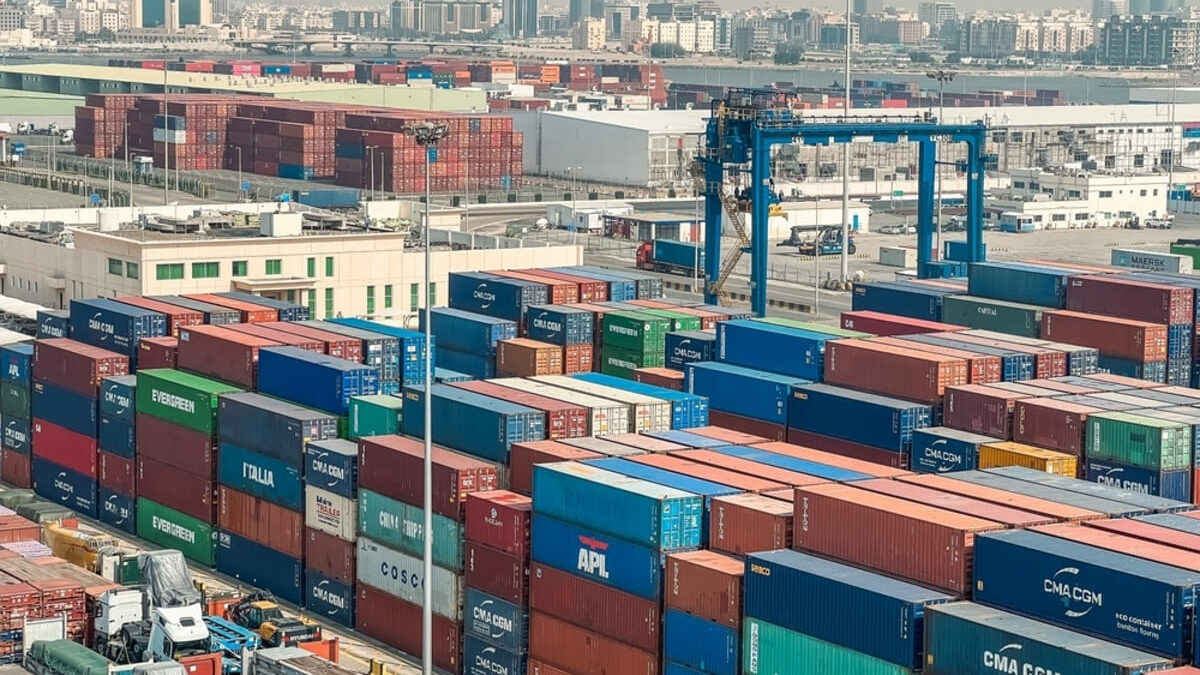
Saudi Arabia’s trade surplus widened to SAR 24.2 billion in August 2025, up from SAR 23.3 billion a year earlier, marking its largest surplus since May 2024, according to official data released this week. The expansion was underpinned by solid growth in both exports and imports, reflecting continued momentum in the Kingdom’s trade performance amid stable global energy demand.
Total exports rose 6.6% year-on-year to SAR 102.4 billion, driven by a 7.0% increase in oil shipments, which remained the backbone of the Saudi economy, accounting for 70.5% of total exports. At the same time, non-oil exports strengthened by 5.5%, underscoring the effectiveness of Saudi Arabia’s ongoing diversification initiatives under Vision 2030. Among non-oil goods, machinery, electrical equipment, and parts saw a remarkable 79.8% surge, making up 25.4% of all non-oil exports — a clear indicator of rising industrial capacity and technological advancement.
China retained its position as Saudi Arabia’s top export destination, taking in 16.2% of total exports, followed by the United Arab Emirates (11.1%) and India (9.2%). These strong trade ties highlight the continued importance of Asia as the Kingdom’s primary export hub.
On the import side, total imports climbed 7.4% to SAR 74.9 billion, reflecting growing domestic demand and investment in infrastructure and industrial projects. Machinery, electrical equipment, and parts again led the import category, rising 24.7% and accounting for 29.8% of total imports, consistent with Saudi Arabia’s drive to expand its manufacturing and energy infrastructure.
In terms of sourcing, China remained the leading supplier, representing 26.4% of total imports, followed by the United States (7.8%) and the UAE (5.4%).
Analysts note that the robust trade surplus underscores Saudi Arabia’s resilience in maintaining export competitiveness, even amid fluctuating oil prices and global economic uncertainty. Continued gains in non-oil sectors suggest that the Kingdom’s diversification strategy is gradually taking hold, helping to balance its external accounts and support long-term economic sustainability.